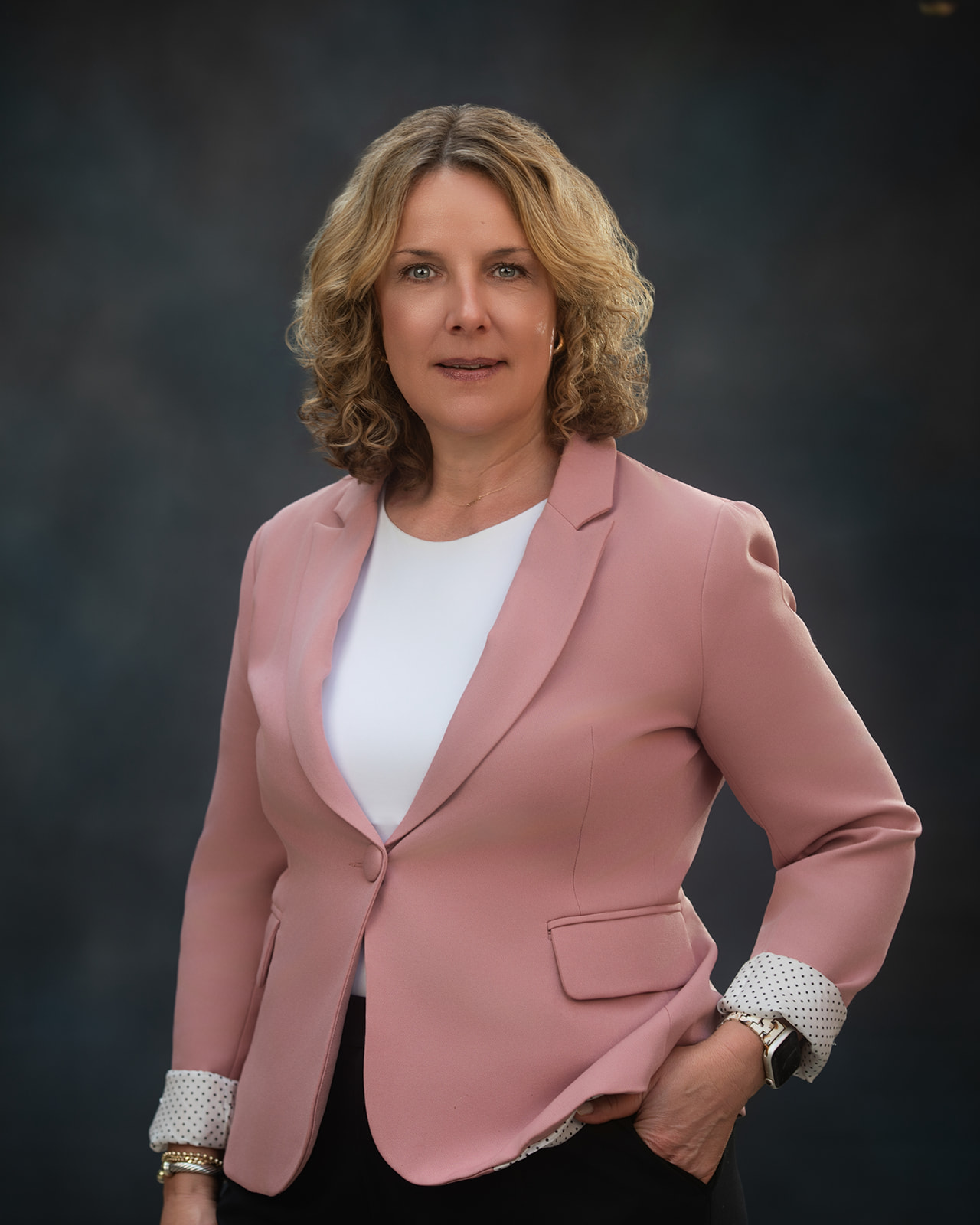
Meredith Arlinghaus left a six-figure salary with three kids under four. What she built instead has changed more lives than she expected.
Meredith Arlinghaus was the primary breadwinner in her household. She had a four-year-old, a two-year-old, and a newborn. And she walked away from her six-figure corporate salary because something was going to break.
"Our family," she said, "or me personally." She needed to decide which.
She chose to build a job that didn't exist yet.
That decision, made in exhaustion and love and quiet desperation, is the origin story of a fractional accounting practice that has since become something she didn't fully expect: a source of community transformation. Not because Meredith is exceptional, though she is, but because the work she chose is, at its core, about making the invisible visible.
"To talk to them and literally see their shoulders relax once you come in and start working with them. You can see the burden absolutely being lifted off of them."
Meredith Arlinghaus
Growing up in rural northwest Ohio, Meredith's parents bought the local ice cream shop. All three sisters worked there every summer. "In my hometown," she says, "there are no chains. Everyone owns something." That proximity to small business ownership planted something deep. When she eventually built her own fractional practice, she brought that same reverence with her.
"I do think they are culture shifters," she says of small business owners. "They're the backbone of our communities."
The client Meredith tells me about came to her in pieces. Cash flow was tight, sometimes week to month, sometimes week to week. The husband handled the field work. His wife handled the admin. They were doing everything themselves, the way founders do before they know they don't have to. What they didn't know was that the financial fog surrounding their business was keeping them both trapped.
Meredith's team came in. They got into the books. They freed up cash. They built banking relationships. They shifted payroll. They brought in HR support. And over months, something changed.
"To talk to them and literally see their shoulders relax," she says. "You can see the burden absolutely being lifted off of them."
But there's another story. The one Meredith tells with her hands.
A client who couldn't make payroll. Who was losing sleep. Who had been carrying the weight of other people's livelihoods without anyone to carry it back. Meredith's team freed up the cash. Payroll was made.
"I've literally been hugged by a client," she says.
The hug. In a world of deliverables and dashboards and quarterly reviews, the hug is what Meredith remembers. And what it tells us, not just about her practice but about what fractional work can be when done with full presence, is something no invoice can capture.
There is a prerequisite, though. Meredith has walked away from prospective clients who wouldn't show all their bank accounts, the ones with personal finances tangled into business accounts, the ones who let her only so far in.
"You have to let us in to some of the most intimate parts of your business," she says. Not as a condition. As a truth.
The work requires access. And access requires trust. And trust, Meredith has found, is not something you negotiate. It's something you earn, one payroll at a time.
Her practice is growing. Her kids are in school now. She coaches their teams, picks them up, helps with homework. The job she invented is doing what she needed it to do.
When I ask what success looks like, she doesn't mention revenue or client count.
"When you can see the burden being lifted," she says. "That's the work."